Mr West knew from the outset that he wanted a genuinely sustainable, low-carbon way to heat the office complex at Southernwood Castle. He’d already looked into the alternatives himself, including biomass boilers, before a conversation with our team confirmed what he suspected: ground source heat pumps were the right fit, and it’s an area we specialise in specifically for retrofit and restoration projects like this one.
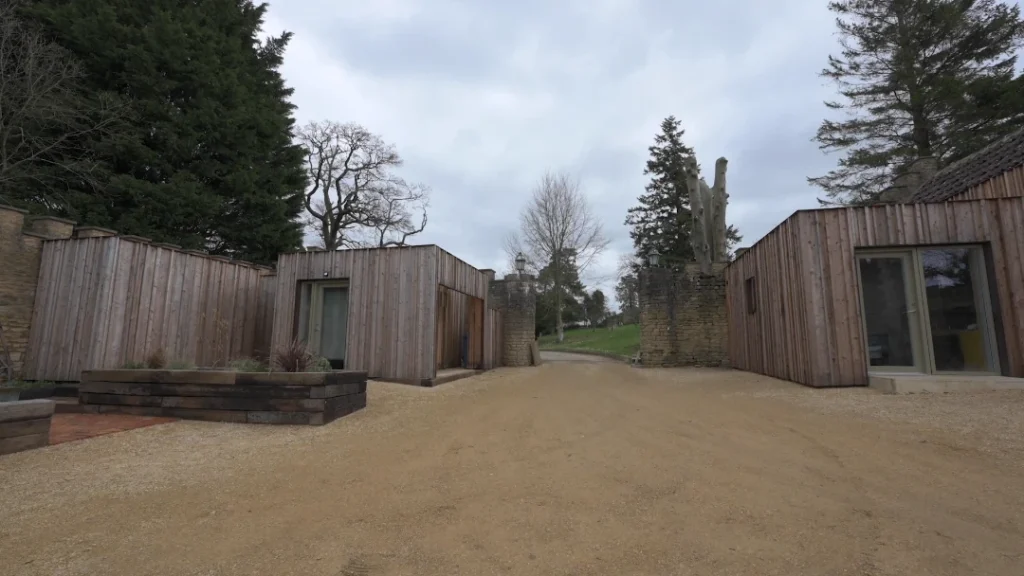
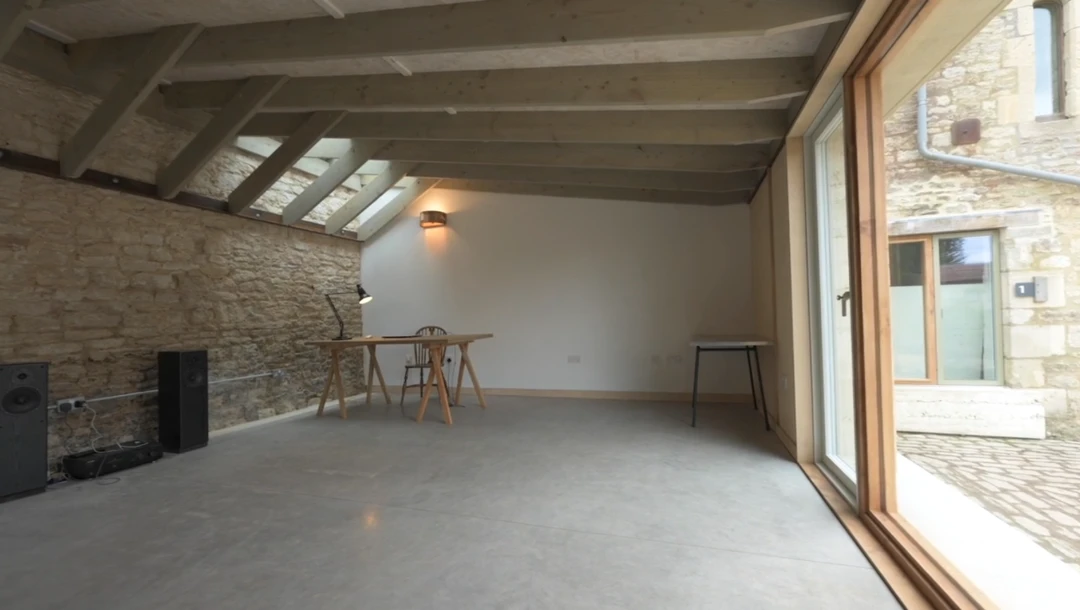
The office complex serves as the main working hub for the adjoining mansion house at Southernwood Castle, so this was never a simple new-build install. Alongside some additional office space, the project included a deep restoration of several of the older offices within the historic building, all while keeping the heating system design sympathetic to a site with real heritage value.
The survey and design
Before anything was specified, we carried out a full site survey and design process, auditing the site thoroughly to make sure the installation wouldn’t disrupt the historic appearance of the building or its grounds. Mr West had a lot of questions throughout, entirely reasonably given the scale and heritage sensitivity of the project, and our team worked through each one with him in detail rather than rushing him to a decision.
With limited land available on site, a horizontal ground array was never going to be realistic here. Boreholes were the only genuine option, and while the initial cost of drilling is higher than a horizontal array, the efficiency and reliability it delivers made it the right call for a building of this scale.
What is a borehole, and why use one?
A borehole is a narrow, deep vertical shaft drilled into the ground, sometimes sixty metres or more, into which a closed loop of pipe is lowered and connected to the ground source heat pump. Unlike a horizontal array, which needs a large surface footprint (typically three to four times the building’s own footprint) laid out across a garden or field, a borehole reaches the ground’s stable temperature by going down rather than out, so it needs very little surface space.
That makes it the right choice for exactly the kind of site Southernwood Castle presented: not enough open land for a horizontal array, but a genuine need for the efficiency and reliability ground source delivers. The trade-off is cost. Drilling is a specialist, more expensive process than laying horizontal pipework, which is part of why boreholes are usually reserved for sites where there’s no practical alternative, rather than used as a default.
Installation
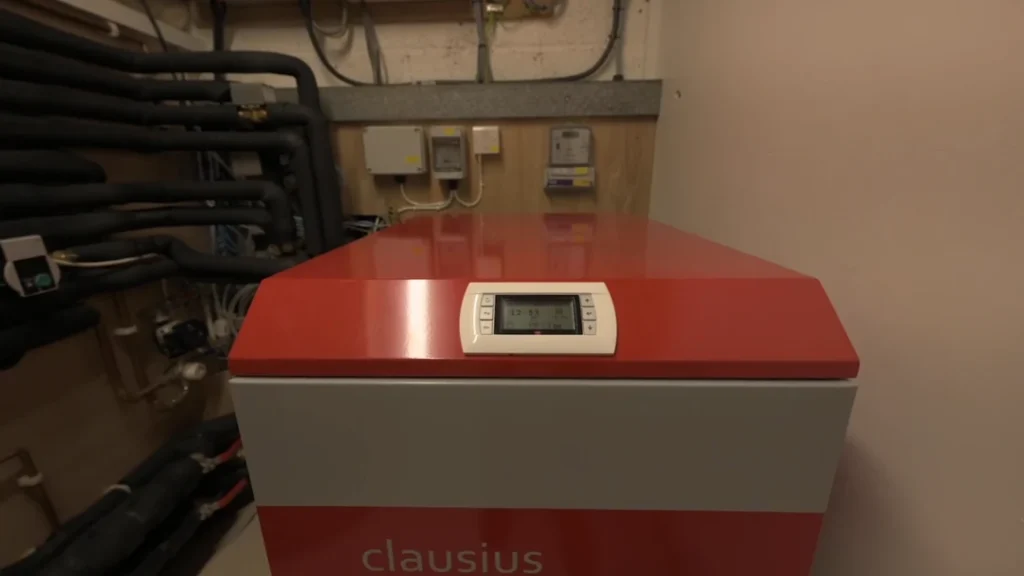
The boreholes are now drilled and the heat pump fully commissioned. The drilling process did run into some complications along the way, which is not unusual with ground investigation work of this kind, but the project was still delivered without passing any additional cost on to Mr West. (See note below, worth confirming the exact wording of this claim before publishing.)
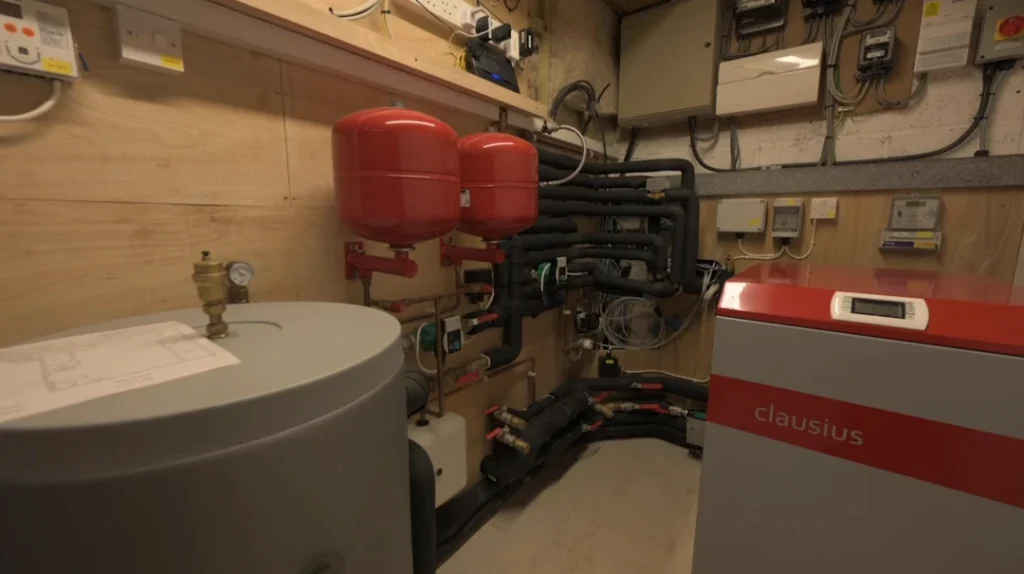
Alongside the heat pump itself, the system includes a Joule buffer tank and the property now runs on a green electricity tariff, so the building is heated as efficiently as the system allows, right through to how the electricity itself is sourced.
The outcome
Mr West is pleased with how efficiently the building is now heated, and values knowing that the choice he made is a genuinely low-carbon one. Like most ground source projects, the higher upfront investment is expected to pay for itself over time through lower running costs.